
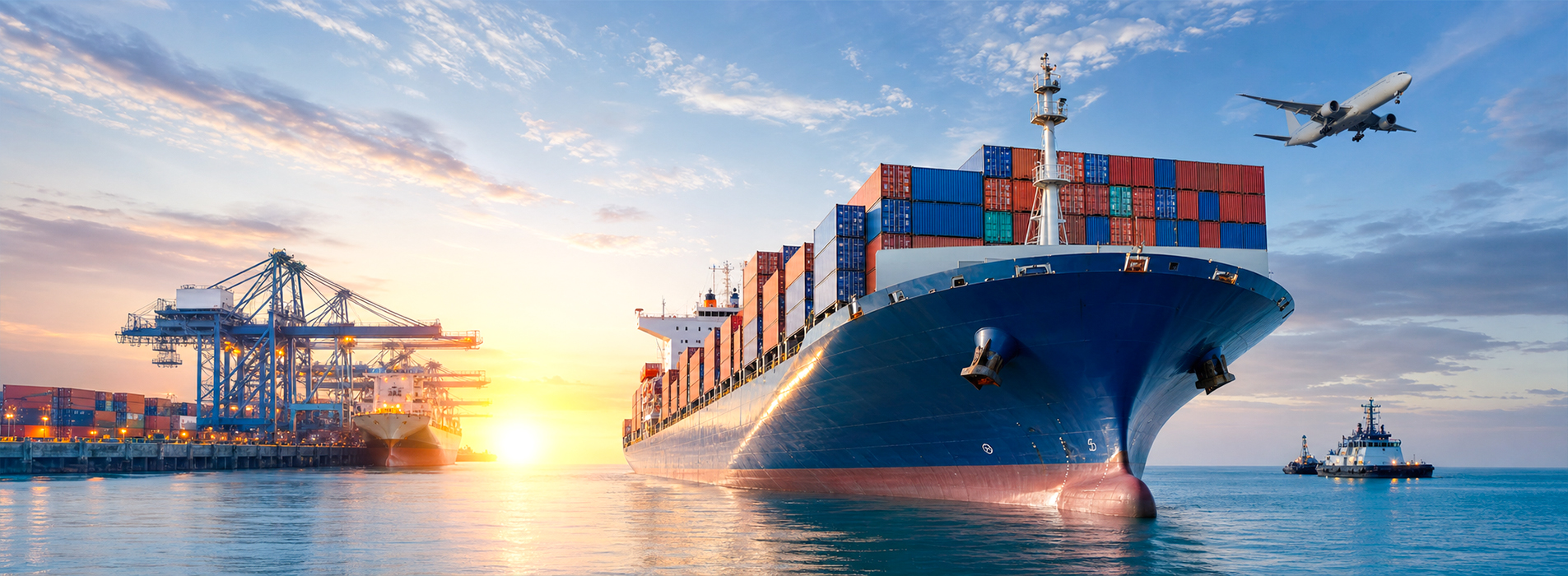
Vietnam has established itself as one of Asia's leading export hubs, supplying high-quality products to markets across Europe, North America, Australia, the Middle East, and beyond. From furniture and coffee to seafood, textiles, machinery, and industrial products, Vietnamese manufacturers continue to play an increasingly important role in global trade.
Whether you are exporting for the first time or expanding into new international markets, understanding the export process is essential to avoid unnecessary costs, customs delays, and supply chain disruptions.
This guide outlines the key steps involved in exporting goods from Vietnam and explains how working with an experienced logistics partner can simplify every stage of the shipping process.
Why Export from Vietnam?
Vietnam offers numerous advantages for international exporters and buyers, including:
· Competitive manufacturing costs
· Strategic location in Southeast Asia
· Well-developed seaport and airport infrastructure
· Extensive Free Trade Agreements (FTAs)
· Strong production capabilities across multiple industries
· Reliable access to global shipping routes
These strengths have positioned Vietnam as one of the world's most attractive sourcing and manufacturing destinations.
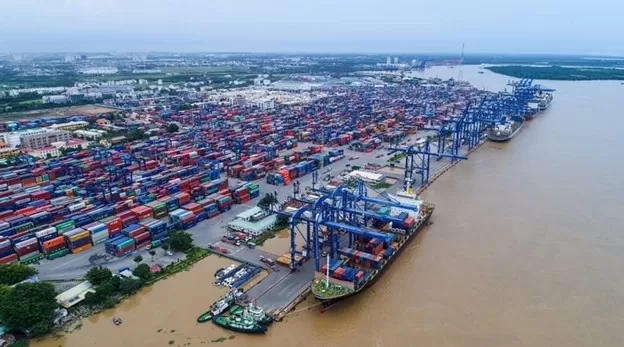
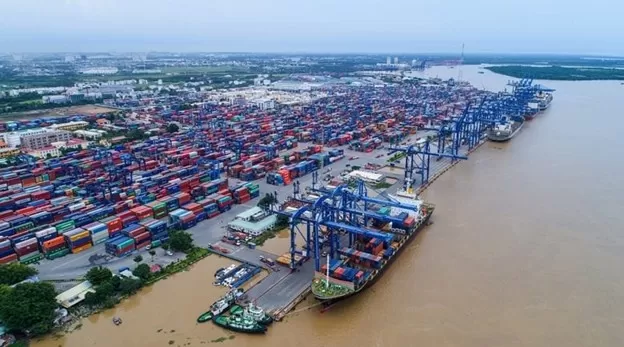
Cat Lai seaport
Step 1: Prepare the Required Export Documents
Accurate documentation is the foundation of a successful international shipment. Missing or incorrect paperwork can result in customs delays, additional costs, or shipment holds.
Depending on your cargo and destination, the required documents may include:
· Commercial Invoice
· Packing List
· Sales Contract
· Bill of Lading (B/L)
· Certificate of Origin (C/O)
· Export Customs Declaration
· Phytosanitary Certificate (if applicable)
· Health Certificate (for food products)
· MSDS or Dangerous Goods Declaration (for regulated cargo)
Preparing complete and accurate documentation helps ensure a smooth customs clearance process.
Step 2: Choose the Right Incoterms
Incoterms define the responsibilities of buyers and sellers throughout the transportation process.
Some of the most commonly used Incoterms include:
EXW (Ex Works)
The buyer assumes responsibility for transportation from the seller's premises onward.
This option is generally suitable for experienced importers with established logistics networks.
FOB (Free on Board)
The seller is responsible for the cargo until it has been loaded onto the vessel at the port of departure.
FOB remains one of the most widely used Incoterms for ocean freight exports from Vietnam.
CIF (Cost, Insurance and Freight)
The seller arranges ocean transportation and cargo insurance to the destination port, while the buyer manages import customs clearance and inland delivery.
DAP (Delivered at Place)
The seller arranges transportation to the agreed destination, while the buyer is responsible for import duties, taxes, and customs clearance.
Selecting the appropriate Incoterm helps optimize transportation costs, clarify responsibilities, and minimize commercial risks.
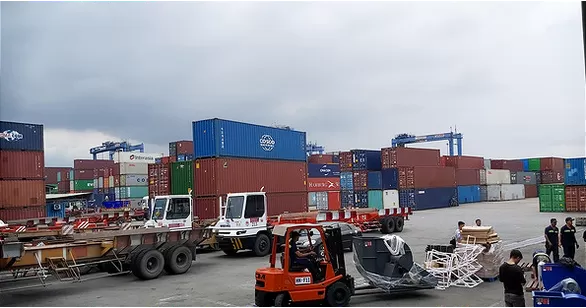
Export containers being handled at Cat Lai Port
Step 3: Select the Most Suitable Shipping Method
Choosing between ocean freight and air freight depends on your cargo type, budget, and delivery schedule.
Ocean Freight
Ocean freight is ideal for:
· Full Container Load (FCL)
· Less than Container Load (LCL)
· Heavy or oversized cargo
· Project cargo
· Refrigerated shipments
· High-volume exports
Key benefits include:
· Cost-effective transportation
· Large cargo capacity
· Flexible container options
· Reliable international shipping services
Air Freight
Air freight is recommended for:
· Urgent shipments
· High-value goods
· Electronics
· Medical equipment
· Samples
· Time-sensitive deliveries
Although air freight typically involves higher transportation costs, it significantly reduces transit time and improves supply chain responsiveness.
Step 4: Complete Customs Clearance
Before cargo can leave Vietnam, all export customs procedures must be completed in accordance with local regulations.
The standard customs process generally includes:
· Submission of the export declaration
· Documentation review
· Cargo inspection (if required)
· Customs approval
· Cargo release
Working with an experienced customs brokerage partner helps ensure regulatory compliance while minimizing clearance delays.
Step 5: Arrange Inland Transportation and Shipment
Once customs clearance has been completed, cargo is transported to the designated port or airport for export.
Depending on shipment requirements, exporters may require:
· Inland trucking
· Container pickup and return
· Cargo consolidation
· Warehouse handling
· Export packing
· Container loading supervision
Effective coordination between factories, trucking companies, customs authorities, and shipping lines is essential to ensure cargo arrives before vessel cut-off times.
Common Challenges Exporters Face
International shipping involves multiple stakeholders, making careful planning essential.
Some of the most common challenges include:
· Incomplete or incorrect documentation
· Port congestion
· Container shortages
· Vessel schedule changes
· Peak season capacity constraints
· Customs inspections
Partnering with a reliable freight forwarder allows exporters to identify potential risks early and maintain a more resilient supply chain.
Choosing the Right Freight Forwarder
A professional freight forwarding partner provides more than transportation services.
Key capabilities should include:
· Ocean Freight (FCL & LCL)
· Air Freight
· Customs Clearance
· Inland Transportation
· Warehousing
· Project Cargo
· Dangerous Goods Handling
· Refrigerated Cargo Logistics
· Cargo Insurance
· End-to-End Supply Chain Solutions
A strong global partner network combined with local operational expertise enables smoother international logistics and more reliable shipment management.
Why Choose SOP Cargo Logistics?
At SOP Cargo Logistics Co., Ltd., we are committed to delivering reliable, flexible, and cost-effective logistics solutions tailored to the needs of exporters and importers worldwide.
Our comprehensive services include:
· Ocean Freight
· Air Freight
· Project Cargo
· Refrigerated (Reefer) Logistics
· Dangerous Goods Transportation
· Customs Clearance
· Inland Trucking
· Door-to-Door Delivery
· Global Freight Forwarding Solutions
Backed by an experienced operations team and an extensive worldwide agency network, we work closely with customers to ensure every shipment is handled with professionalism, efficiency, and transparency.
Whether you are shipping a single container or managing a complex international supply chain, SOP Cargo Logistics is ready to support your business with dependable logistics solutions.
Contact SOP Cargo Logistics
Looking for a trusted freight forwarding partner in Vietnam?
Our experienced team is ready to provide customized logistics solutions tailored to your shipping requirements.
Contact SOP Cargo Logistics today to request a competitive quotation and discover how we can help move your business forward with confidence.
SOP CARGO LOGISTICS COMPANY LIMITED
Hotline: +84 966560791
Email: infor@sopcargos.com