
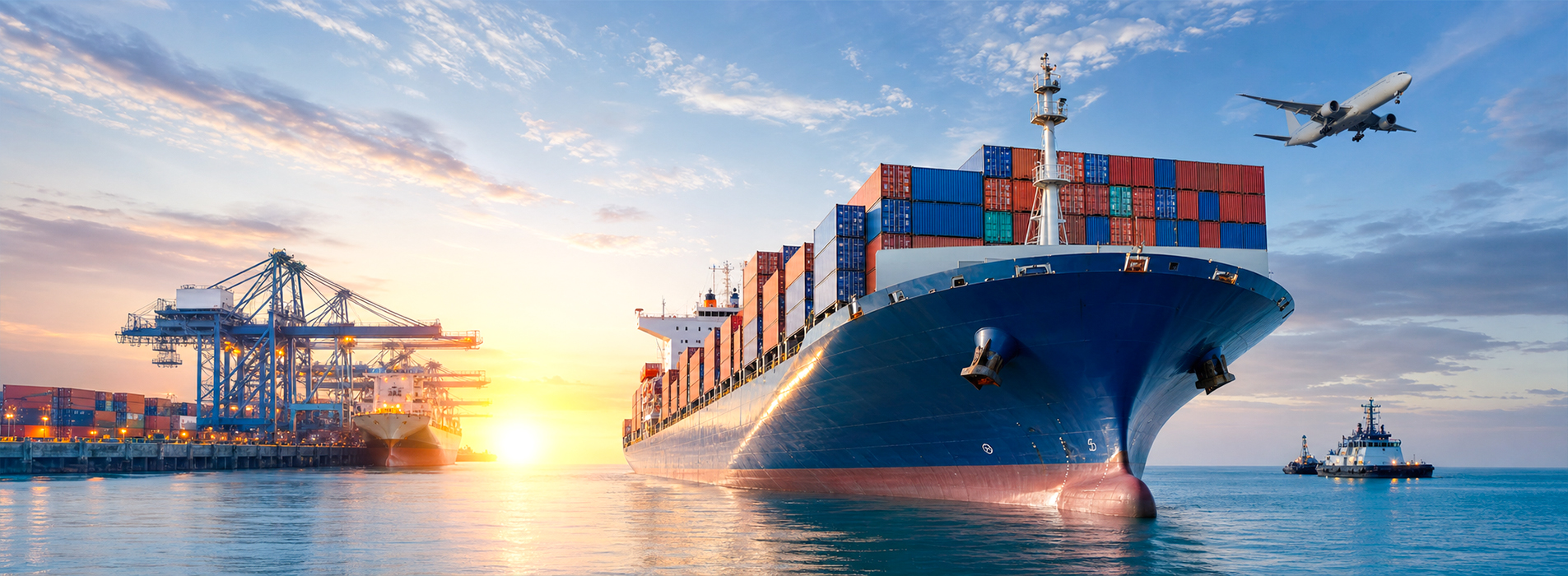
Vietnam has become one of the world's leading manufacturing and export destinations, supplying products to markets across Europe, North America, Asia, Australia, and the Middle East.
Whether you are an established exporter or preparing your first international shipment, understanding the export process is essential for avoiding delays, reducing costs, and ensuring your cargo reaches its destination safely.
This guide outlines the key stages of exporting goods from Vietnam and highlights the role of a reliable freight forwarding partner throughout the process.
Step 1: Confirm the Sales Agreement
Every successful export begins with a clear agreement between the buyer and the seller.
Before arranging transportation, both parties should confirm:
· Product specifications
· Quantity
· Unit price
· Payment terms
· Delivery schedule
· Incoterms (EXW, FOB, FCA, CIF, DAP, etc.)
Choosing the appropriate Incoterms helps define the responsibilities of both parties and prevents misunderstandings during shipment.
Step 2: Prepare Export Documentation
Accurate documentation is essential for customs compliance and international shipping.
Typical export documents include:
· Commercial Invoice
· Packing List
· Sales Contract
· Export Customs Declaration
· Bill of Lading (B/L)
· Certificate of Origin (if applicable)
· Phytosanitary Certificate (for agricultural products)
· Health Certificate (for food products)
· MSDS or Dangerous Goods Declaration (if required)
Depending on the destination country and commodity, additional documents may also be required.
Step 3: Book Transportation
Once the cargo is ready, the next step is to arrange transportation.
Depending on your shipment, you may choose:
Ocean Freight
Ideal for:
· Full Container Load (FCL)
· Less than Container Load (LCL)
· Heavy cargo
· Bulk shipments
· Project cargo
Air Freight
Recommended for:
· Urgent shipments
· High-value goods
· Samples
· Time-sensitive products
Selecting the appropriate transportation method depends on delivery deadlines, cargo type, and logistics budget.
Step 4: Complete Customs Clearance
Export customs clearance is one of the most important stages in the shipping process.
The standard procedure generally includes:
· Preparing the customs declaration
· Submitting supporting documents
· Customs review
· Cargo inspection (if required)
· Customs approval
· Cargo release
An experienced customs broker can help ensure compliance with local regulations and minimize processing time.
Step 5: Deliver Cargo to the Port or Airport
After customs clearance, cargo is transported to the designated port or airport.
This stage may include:
· Inland trucking
· Container pickup
· Warehouse handling
· Cargo consolidation
· Container loading
· Port delivery
Timely coordination is critical to ensure cargo arrives before carrier cut-off times.
Step 6: International Transportation
Once loaded onboard the vessel or aircraft, your shipment begins its international journey.
During transit, exporters should monitor:
· Vessel or flight schedules
· Estimated Time of Arrival (ETA)
· Shipment status
· Transshipment movements (if applicable)
Maintaining visibility throughout transportation helps businesses better plan inventory and customer deliveries.
Step 7: Import Customs Clearance and Final Delivery
Upon arrival at the destination, the shipment must complete import customs procedures before delivery.
Depending on the agreed Incoterms, the buyer or seller may be responsible for:
· Import customs clearance
· Duty and tax payment
· Inland transportation
· Final delivery
A well-coordinated logistics network helps ensure the cargo reaches its final destination efficiently.
Common Export Challenges
International shipments often involve multiple stakeholders, making proactive planning essential.
Common challenges include:
· Incomplete documentation
· Last-minute booking requests
· Container shortages
· Vessel schedule changes
· Customs inspections
· Port congestion
· Unexpected logistics costs
Working with an experienced freight forwarder helps businesses identify potential risks early and keep shipments on schedule.
Why Choose SOP Cargo Logistics?
At SOP Cargo Logistics Co., Ltd., we provide end-to-end logistics solutions designed to simplify international trade.
Our services include:
· Ocean Freight (FCL & LCL)
· Air Freight
· Customs Clearance
· Inland Trucking
· Warehousing
· Project Cargo
· Reefer Logistics
· Dangerous Goods Handling
· Door-to-Door Delivery
With experienced logistics professionals and a trusted global partner network, we are committed to delivering reliable, flexible, and cost-effective transportation solutions for businesses of all sizes.
Whether you are exporting one shipment or managing a global supply chain, SOP Cargo Logistics is ready to support your logistics needs.
Final Thoughts
Exporting goods from Vietnam requires careful planning, accurate documentation, and efficient logistics coordination.
By understanding each step of the export process and working with a dependable freight forwarding partner, businesses can reduce operational risks, improve delivery performance, and strengthen their competitiveness in international markets.
Contact SOP Cargo Logistics
Looking for a reliable logistics partner in Vietnam?
Our team is ready to help you manage every stage of your export journey—from booking and customs clearance to international transportation and final delivery.
Contact SOP Cargo Logistics today to discuss your shipping requirements and receive a customized logistics solution.
SOP CARGO LOGISTICS COMPANY LIMITED
Hotline: +84 966560791
Email: infor@sopcargos.com