
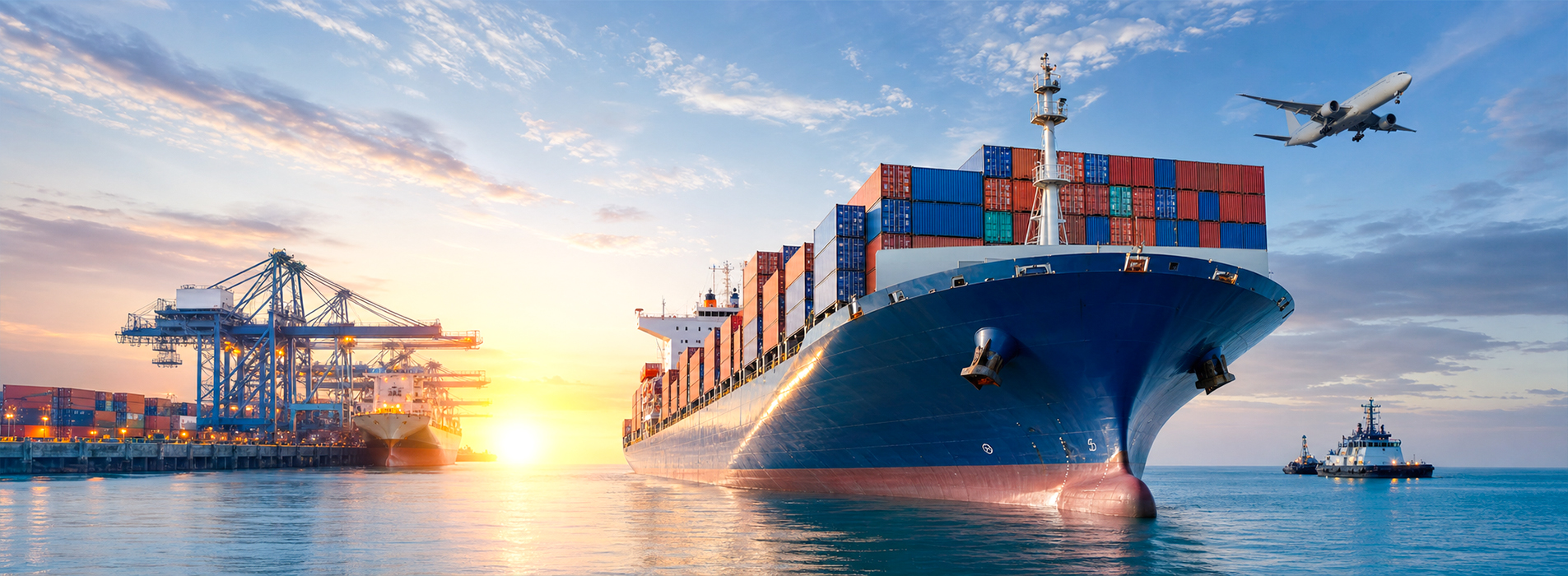
When shipping goods internationally by sea, one of the first decisions exporters and importers need to make is whether to choose Full Container Load (FCL) or Less than Container Load (LCL).
Both shipping methods offer distinct advantages depending on your cargo volume, budget, delivery schedule, and business requirements. Understanding the differences can help reduce transportation costs while improving supply chain efficiency.
In this guide, SOP Cargo Logistics explains how FCL and LCL work, their advantages and disadvantages, and how to determine which option best fits your shipment.
What Is FCL Shipping?
FCL (Full Container Load) means one customer exclusively uses an entire shipping container, regardless of whether the container is completely full.
Common container types include:
· 20GP (20-foot General Purpose)
· 40GP (40-foot General Purpose)
· 40HC (40-foot High Cube)
· Reefer Containers
· Open Top Containers
· Flat Rack Containers
Since the container is dedicated to a single shipment, it remains sealed from origin to destination, reducing cargo handling throughout transit.
Advantages of FCL Shipping
Choosing FCL offers several important benefits:
Lower Cost for Large Shipments
For cargo that can fill most or all of a container, FCL is often more economical than paying LCL charges based on cargo volume.
Faster Transit
Because the container is not consolidated with other shipments, FCL generally moves more quickly through ports without waiting for cargo consolidation or deconsolidation.
Reduced Risk of Damage
Your cargo remains inside the same sealed container throughout the journey, minimizing handling and reducing the likelihood of damage or loss.
Greater Flexibility
FCL is suitable for oversized cargo, project cargo, refrigerated products, dangerous goods, and shipments requiring special handling.
What Is LCL Shipping?
LCL (Less than Container Load) allows multiple shippers to share space inside one container.
Each shipment occupies only the space it requires, making LCL an economical solution for smaller cargo volumes.
The freight forwarder consolidates cargo from different exporters into one container before departure and separates the shipments again upon arrival.
Advantages of LCL Shipping
LCL is an excellent choice when cargo volume does not justify booking an entire container.
Benefits include:
Lower Initial Shipping Cost
Businesses only pay for the space their cargo occupies rather than the full container.
Ideal for Small Shipments
LCL is suitable for samples, trial orders, replacement parts, or businesses exporting smaller quantities.
Better Cash Flow
Companies can ship goods more frequently without waiting to accumulate enough cargo for a full container.
Key Differences Between FCL and LCL
|
Feature |
FCL |
LCL |
|
Container Usage |
Exclusive use |
Shared container |
|
Cost Structure |
Per container |
Per cubic meter (CBM) |
|
Transit Time |
Usually faster |
Usually longer |
|
Cargo Handling |
Minimal |
Multiple handling points |
|
Risk of Damage |
Lower |
Slightly higher |
|
Suitable For |
Large shipments |
Small shipments |
When Should You Choose FCL?
FCL is generally recommended when:
· Your cargo occupies a large portion of a container.
· You need faster transit times.
· Your products are fragile or high-value.
· Shipment security is a priority.
· You are shipping temperature-controlled cargo.
· You require specialized container equipment.
Many manufacturers and regular exporters prefer FCL because it provides greater shipment control and operational efficiency.
When Should You Choose LCL?
LCL is often the better option when:
· You have a small shipment.
· You are testing a new market.
· You export irregularly.
· You want to reduce initial transportation costs.
· Your cargo is not time-sensitive.
For startups and small businesses, LCL provides a practical way to access international markets without committing to a full container
Factors to Consider Before Choosing
Before selecting FCL or LCL, consider the following questions:
· How much cargo are you shipping?
· What is your delivery deadline?
· Is your cargo fragile or high-value?
· What is your transportation budget?
· Will your shipment require special equipment?
· Are there destination handling charges that may affect total logistics costs?
Discussing these factors with your freight forwarder can help you identify the most efficient shipping solution.
How SOP Cargo Logistics Can Help
At SOP Cargo Logistics Co., Ltd., we provide customized ocean freight solutions designed to meet the unique requirements of every shipment.
Our services include:
· FCL Shipping
· LCL Consolidation
· Customs Clearance
· Inland Trucking
· Warehousing
· Cargo Insurance
· Reefer Logistics
· Dangerous Goods Transportation
· Project Cargo Handling
· Door-to-Door Delivery
Our experienced logistics specialists carefully evaluate each shipment to recommend the most cost-effective and reliable transportation option.
Whether you are shipping one pallet or multiple containers, our team is committed to delivering efficient logistics solutions with transparent communication and professional service.
Final Thoughts
Both FCL and LCL offer valuable advantages depending on your shipment requirements.
If your priority is lower transportation costs for smaller shipments, LCL may be the ideal choice. If you require faster transit, greater security, or are shipping larger volumes, FCL is typically the more efficient solution.
Choosing the right shipping method can significantly improve supply chain performance and reduce overall logistics costs.
Contact SOP Cargo Logistics
Need help deciding between FCL and LCL?
The experienced team at SOP Cargo Logistics Co., Ltd. is ready to evaluate your shipment and recommend the most suitable ocean freight solution for your business.
Contact us today for professional logistics advice and a competitive freight quotation.
SOP CARGO LOGISTICS COMPANY LIMITED
Hotline: +84 966560791
Email: infor@sopcargos.com